leap before you look – a visit to the ICA.

“Instead of art I have taught philosophy. Though technique for me is a big word, I never have taught how to paint. All my doing was to make people to see.”

-Josef Albers

On Sunday I spent the afternoon with my mom at the Institute of Contemporary Art in Boston, viewing their latest exhibit “Leap Before You Look: Black Mountain College 1933-1957”. Years ago I worked at the ICA – first as a visitor’s services assistant (gallery monitor) and later selling tickets at the front desk. Despite the lower back pain I experienced from standing on a concrete floor for 8 hours at a time, the ICA is still a special place for me and their latest exhibit did not disappoint.

Leap Before You Look presents the history and the work created at Black Mountain College during the school’s 24-year lifespan. I’m not going to get into a detailed review of the show because The Boston Globe and The New Yorker have already done so better than I can. I will give a little context though. Black Mountain College was founded by Andrew Rice in 1933 and was not, in fact, an art school – but rather a liberal arts college which placed art at the center of its’ curriculum. The school was headed by Josef Albers and ultimately produced many of the most influential artists of post-war America.

As I made my way through the show, I was struck by the number of famous names I recognized from my own study of art and art history (Josef & Anni Albers, Robert Rauschenberg, John Cage, Merce Cunningham, Willem & Elaine de Kooning, Robert Motherwell and Susan Weil to name just a few). While many of the works in the exhibit read as finished pieces by established artists, others have the distinct feel of being a student project. The pieces range from painting to sculpture to poetry to dance and everything seems to reflect the free-form spirit of the institution itself.

Below are a few pictures I took during my visit (back when I worked at the ICA, visitors weren’t allowed to photograph any on-loan artwork but luckily they’ve relaxed this policy). The exhibit runs through January 24 and I absolutely encourage anyone and everyone to visit. The museum is free on Thursday evenings from 5-9pm!
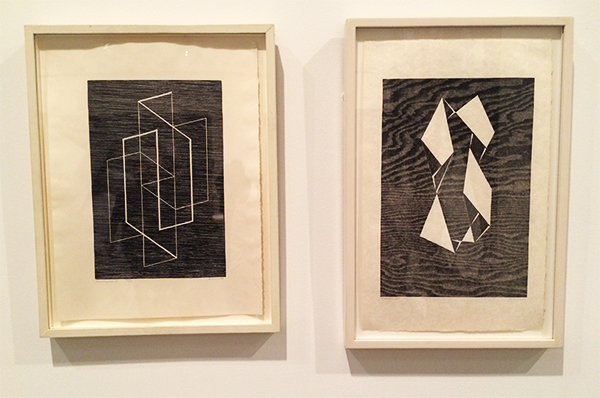
image2_Albers
Josef Albers, Multiplex

image3_Albers
Josef Albers, Encircled

image4
This was a color study that Josef Albers required his students to perform. As an undergraduate studio art major I had to complete a similar assignment. As I mentioned this to my mom while viewing the piece, a woman next to us said to her friend “they’re still doing this in art school!”
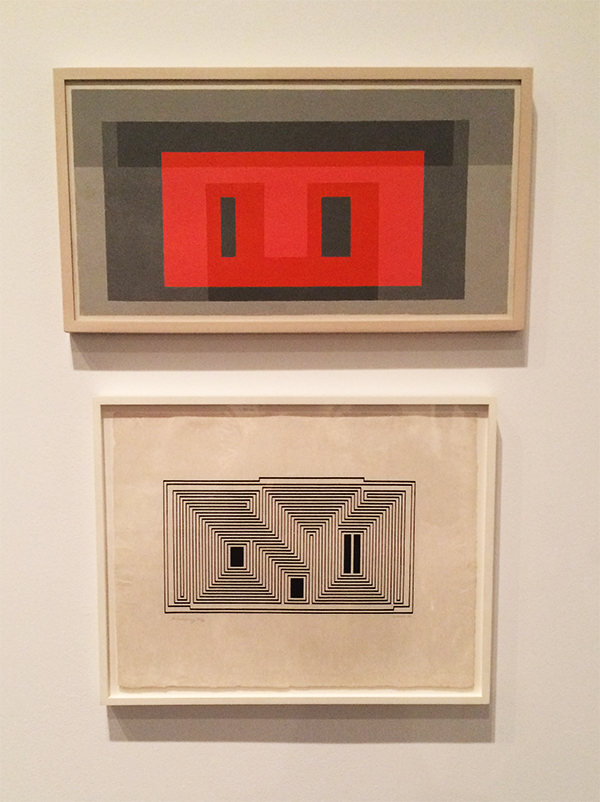
image5
Josef Albers, Variants

image6

image7_portrait

image14_sculpture
Ruth Asawa, Untitled Sculpture


image8
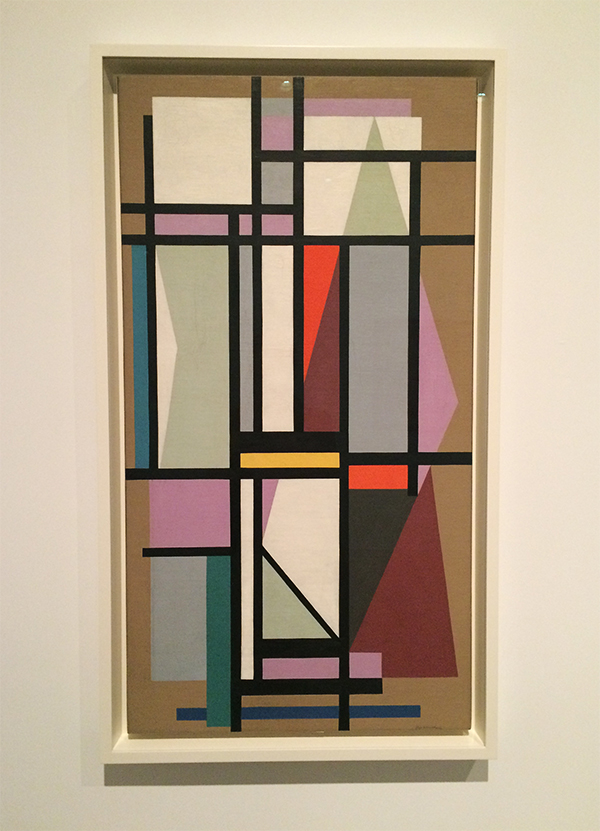
Ilya Bolotowsky, Upright in Gold and Violet


image9

Pat Passlof, Yardstick

image10

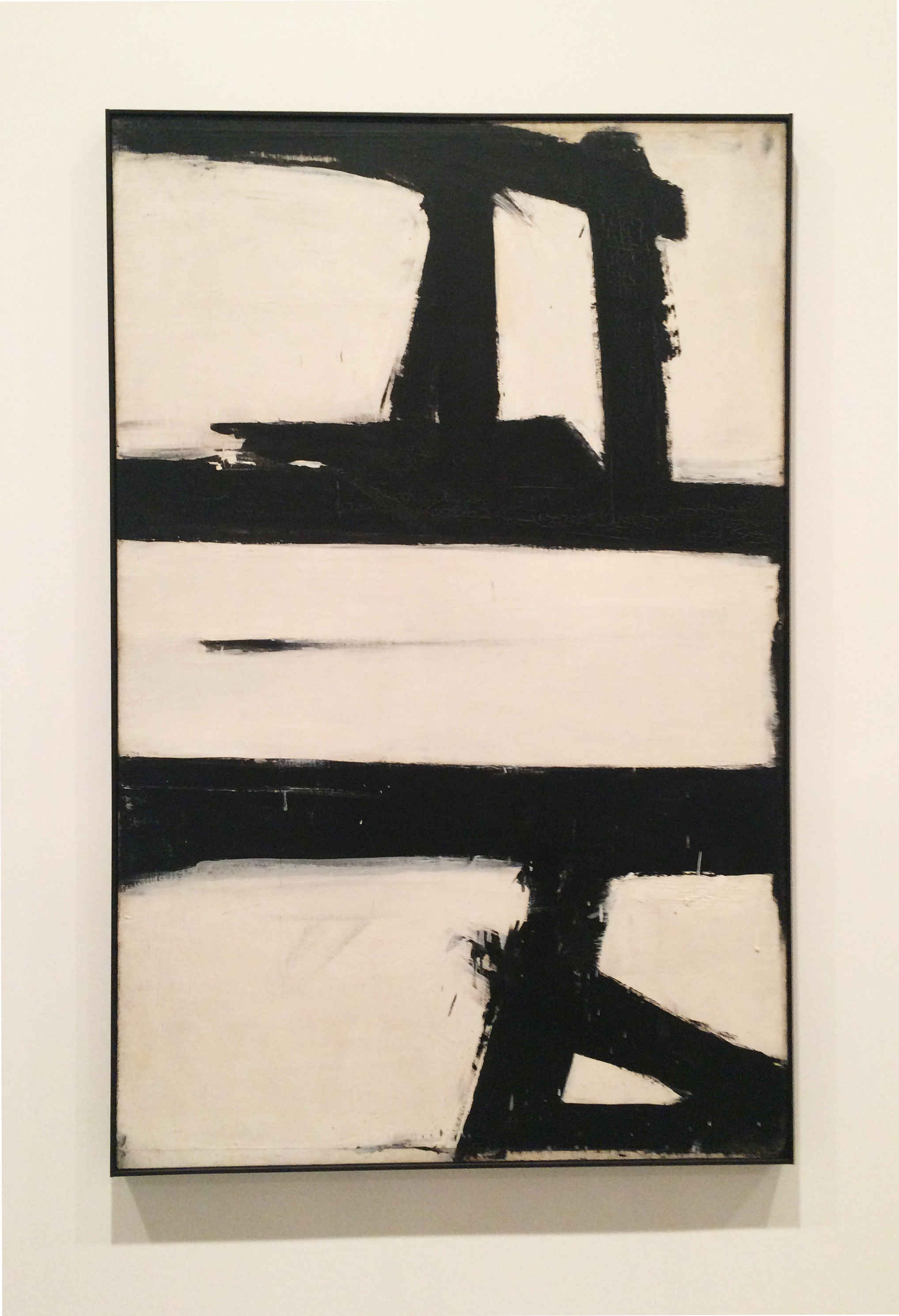
Franz KlinePainting, 1952

image11_secrets
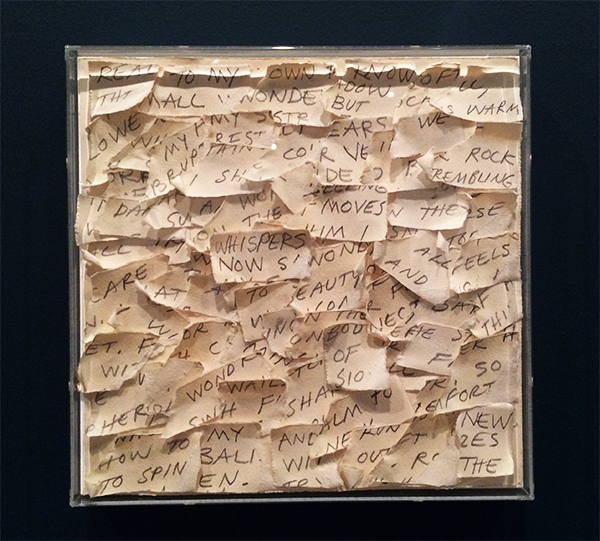
Susan Weil, Secrets

image12
Stan VanDerBeek, A Book of Ours

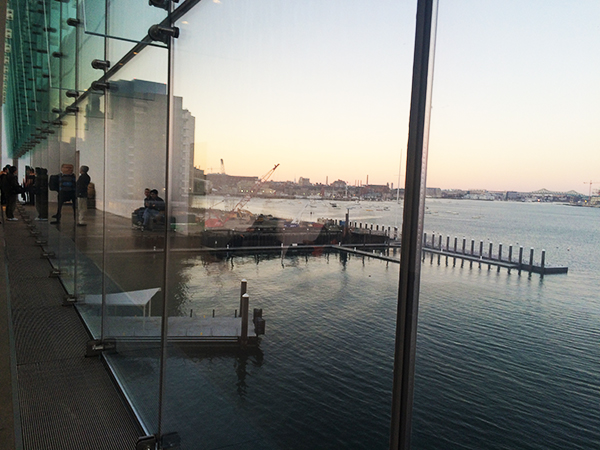
image13_view
Come for the art, stay for the view.

south end flower boxes.

My mom is really good at gardening. Just about every time I visit my parents (which is really often) she has a new plant or two and they’re always thriving. It seems though, that a “green thumb” is not a genetic trait since I genuinely cannot keep a plant alive. I’ve made a habit of keeping cut flowers in my apartment because I really do love the energy they add to a space. Even though I no longer try to keep my own live flowers in my home, I am fortunate to live in a neighborhood full of beautiful urban gardens, maintained by those people who don’t kill everything they plant. Because we’re in the city, front lawns are few and far between but flower boxes are really really prevalent.

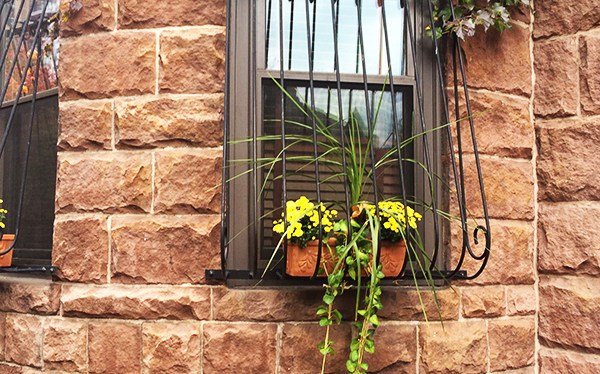
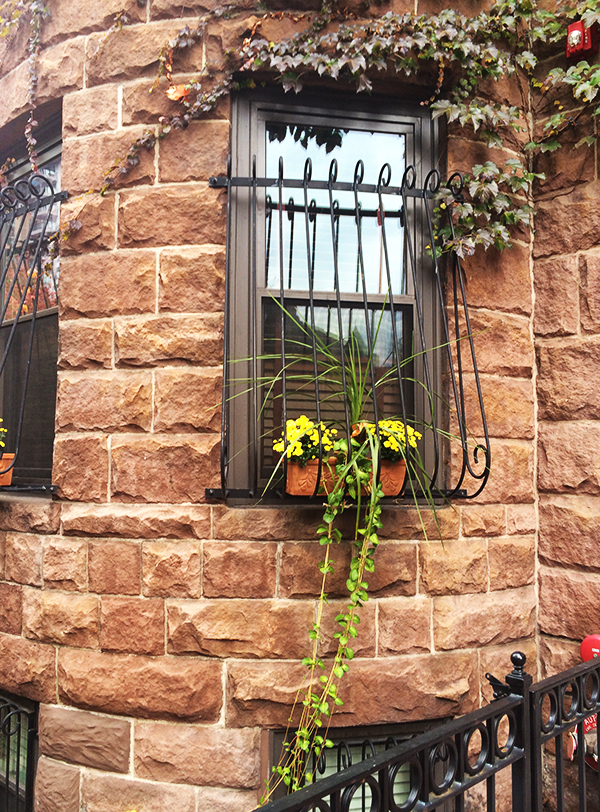
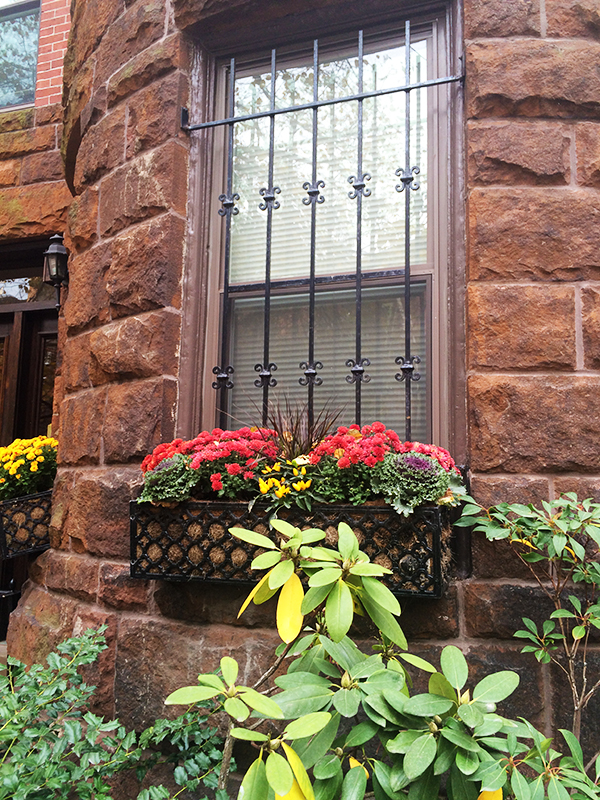
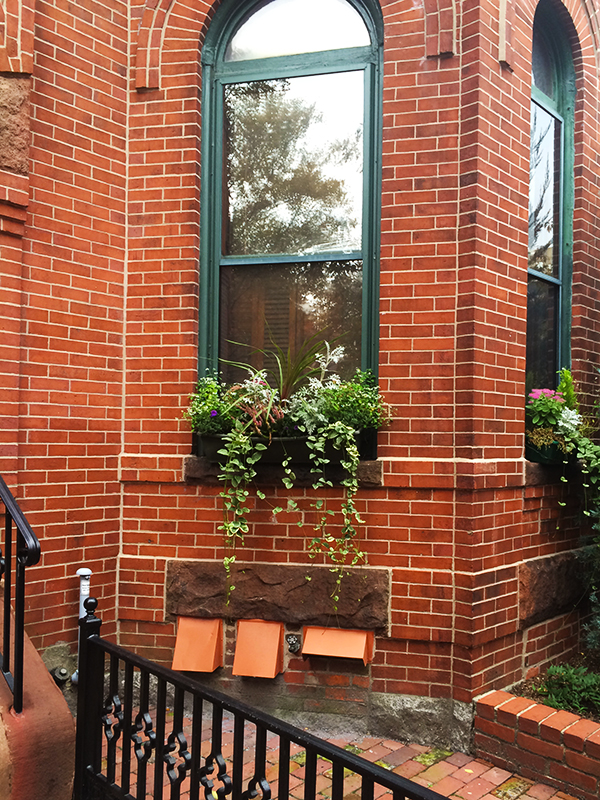
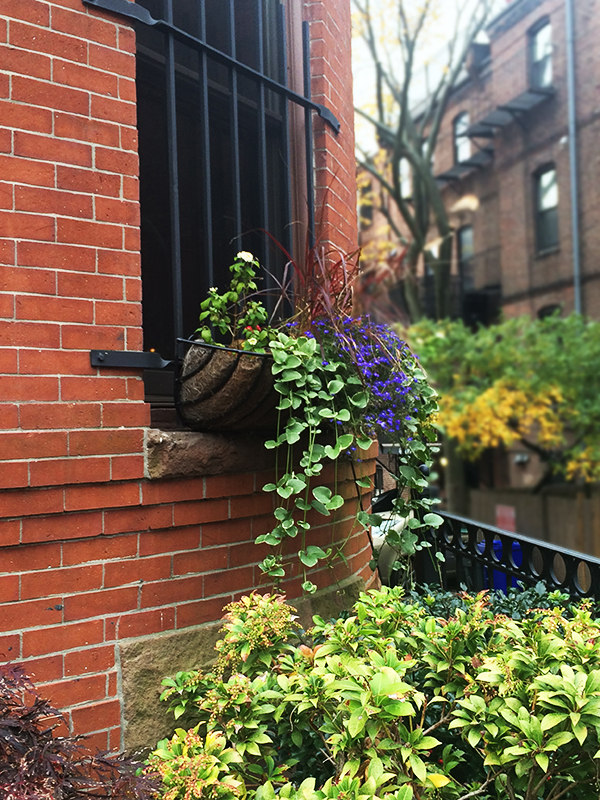
Over the past weekend I took advantage of what may have been one of the last really mild days and walked around my neighborhood documenting the flower boxes that I saw and liked. I am so envious of these people who are able to enjoy these beautiful little mini-gardens adorning their homes. To numb the pain I also stopped for snacks.

obligatory foliage pic to start the afternoon.image_1

now on to the flower boxes…image_9image_10image_12image_7

image_2

the flowers pictured below belong to Mike & Patty’s in the Bay Village. I stopped here for a sandwhich and you should too because it was amazing! pro tip: call ahead to order.

image_6
image_4

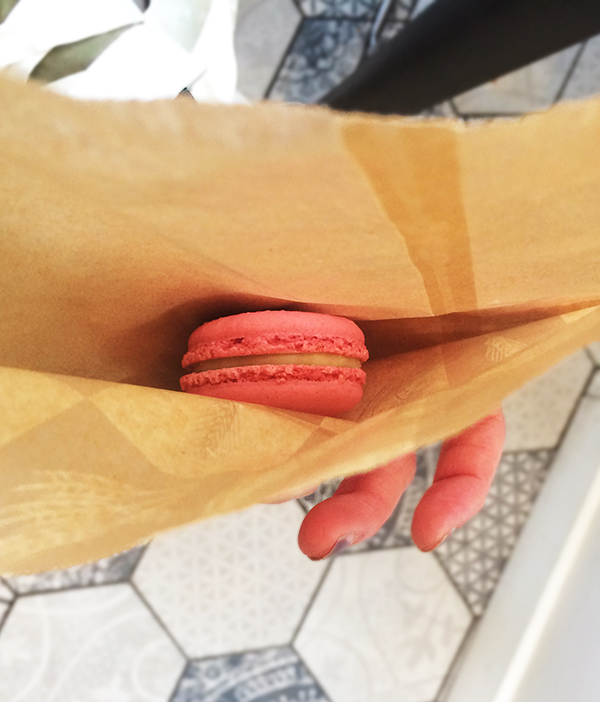
walking is exhausting so I also stopped here for a coffee and a macaron. both were great.image_16image_8image_13image_15

metallic seashell candleholders.

“I really don’t know why it is that all of us are so committed to the sea, except I think it’s because in addition to the fact that the sea changes, and the light changes, and ships change, it’s because we all came from the sea. And it is an interesting biological fact that all of us have in our veins the exact same percentage of salt in our blood that exists in the ocean, and, therefore, we have salt in our blood, in our sweat, in our tears. We are tied to the ocean. And when we go back to the sea – whether it is to sail or to watch it – we are going back from whence we came.
― John F. Kennedy

Like a lot of people, I compulsively collect seashells (and interesting rocks) whenever I go to the beach. Because this habit is so common though, I’m often disappointed with the number of collectible artifacts I’m able to collect. While visiting Great Island at the end of the summer I was really excited to find that this particular beach was in fact full of beautiful intact shells.

IMG_2756
This one was too small for this projects but still one of my favorites

The thing about collecting seashells and rocks is that even though I feel compelled to do it, I’m never quite sure what to do with them afterward. I had seen a few tutorials around the internet lately where people had painted shells with gold leaf or gold spray paint and then repurposed them as vessels for jewelry or salt. Being that I’m already a big fan of gold leaf I thought I would give this a try.

It turns out there were A LOT of tutorials for painting seashells. In the end, I ultimately combined a couple ideas from a few different resources. At one point I came across this tutorial by the godmother of DIY, Martha Stewart. I really liked the idea of using the painted shells as candles so that’s what I decided to do (and realistically, I was never going to convince Jared that spooning salt out of a shell was a practical alternative to our salt shaker).

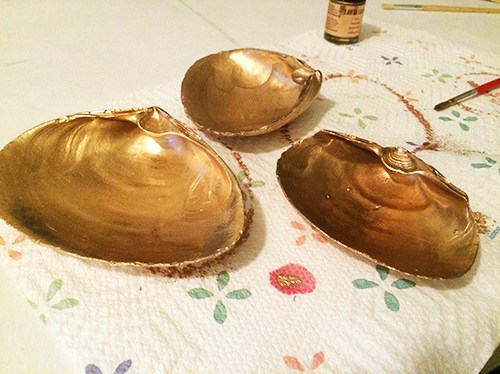
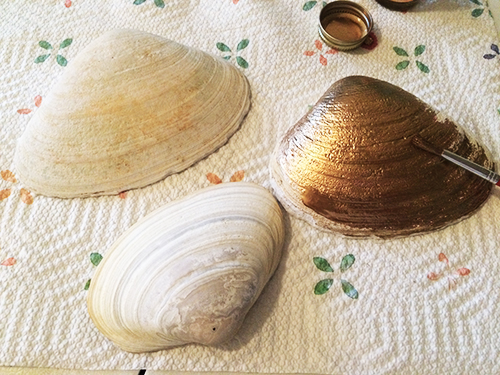
I decided I would paint the shells using gold leaf paint rather than spray paint – primarily because I don’t have any outdoor space and indoor spray painting is not great for your health. I bought this gold leaf paint on Amazon and used a small paintbrush I already owned to start.

1.shells1

First I scrubbed the seashells to remove any remaining sand or dirt and then left them to dry overnight. The next day I got to gold leafing. The paint went on pretty easily and only required a single coat to cover the shells surface and leave them looking super metallic. I noticed that at times the paint would become too settled in the container and I’d start to see a pink-ish tint to it as I was painting. Whenever this happened I’d just stir up the gold leaf a bit and repaint the area that had been effected. I painted the tops first and then the bottoms once they were dry enough to be flipped over. The gold leaf paint only took about 30 minutes to dry completely so this was pretty quick. After the paint had dried on both sides I sprayed the seashells with some clear shellac. I’m not sure that this was even necessary but but I wanted to make sure the gold paint wouldn’t come up when I eventually poured the wax into the shells.

2.shells2

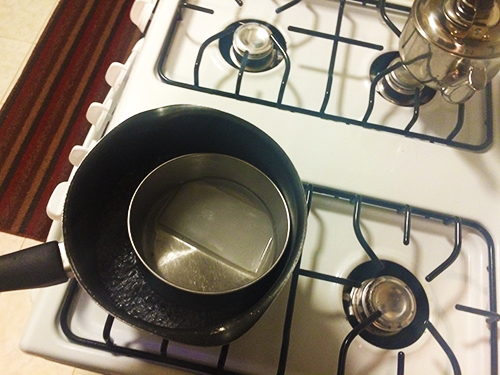
Now that the shells were looking really glam it was time to get to the wax. I’ve never made candles before so I followed Martha’s instructions more closely here. I had bought some household paraffin wax and a spool of braided wick from Amazon. Melting the wax was surprisingly simple. I took one of the blocks of wax, placed it inside of a metal bowl and then placed the bowl inside of a pot of water and boiled the water over the stove. The wax melted into liquid in just a few minutes.

3.wax

While the wax melted I cut a few pieces of braided wick and took out a few sets of chopsticks so that I could hold them in the shells while the wax hardened. Martha’s tutorial recommends using candlewicks that already have metal tabs attached to them, which eliminates the need for chopsticks. This would have saved a little effort but you get a lot more wick for your money if you just buy a spool of it.

4.wick

Next I poured the wax into the candles and set the chopsticks to hold the pre-cut candlewick.

5.drying

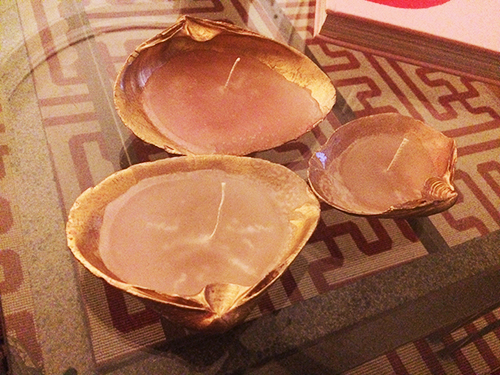
And voila! It’s that easy. Honestly the most challenging aspect of this whole project was trying to clean the excess wax out of the metal bowl. For the most part though this was remarkably simple. Had I put more forethought into the candle process I would have liked to add some other ingredients to the wax to give it color and fragrance. It’s something I definitely want to try again, especially since I have a lot of leftover wax and candlewick.

7.final

These really aren’t the most practical candles in terms of actually providing light. There’s such a small amount of wax in each one that they really can’t burn for more than a few minutes. However, I think they make for really charming decorative accents. I really like the idea of using them as décor on a tablescape for a dinner party. Because I don’t have that kind of space (or table) for entertaining I’ve placed mine on my windowsill and end tables in my living room.

6.final

I think they look pretty cute 🙂

cohabitation – more is more.

I mentioned in an earlier post that over the summer I moved into an apartment with a boyfriend for the first time. From the moment we signed the lease I was obsessively thinking about what our shared home would look like and how our different collections of belongings would come together. I am a collector by nature and Jared is the same way. I think collections are great and important and the very thing that make a home interesting and unique. That being said, two inherent collectors of things in 675 sq. ft is a design challenge to say the least.

Compounded on top of the so-many-things issue was the fact that our apartment had so much intrinsic character to contend with. The building was constructed in 1910 and was originally a hotel. The molding throughout the apartment is large and ornate. The windowsills are a full foot deep. I would say that my personal taste has leaned toward the more contemporary for quite some time. In such an ornate and historic space a modern, minimalist aesthetic just didn’t make sense.

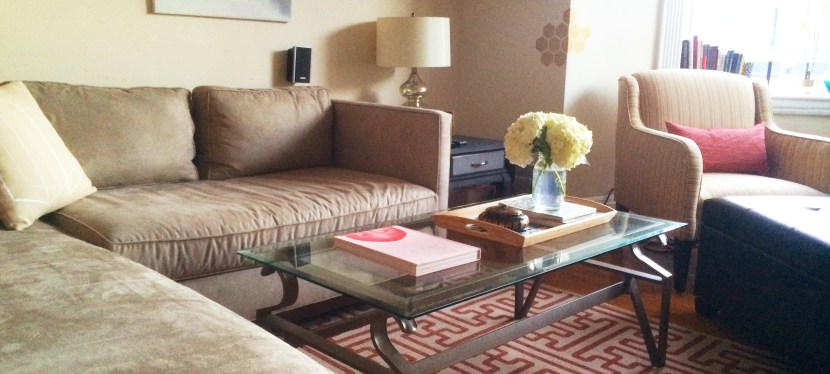
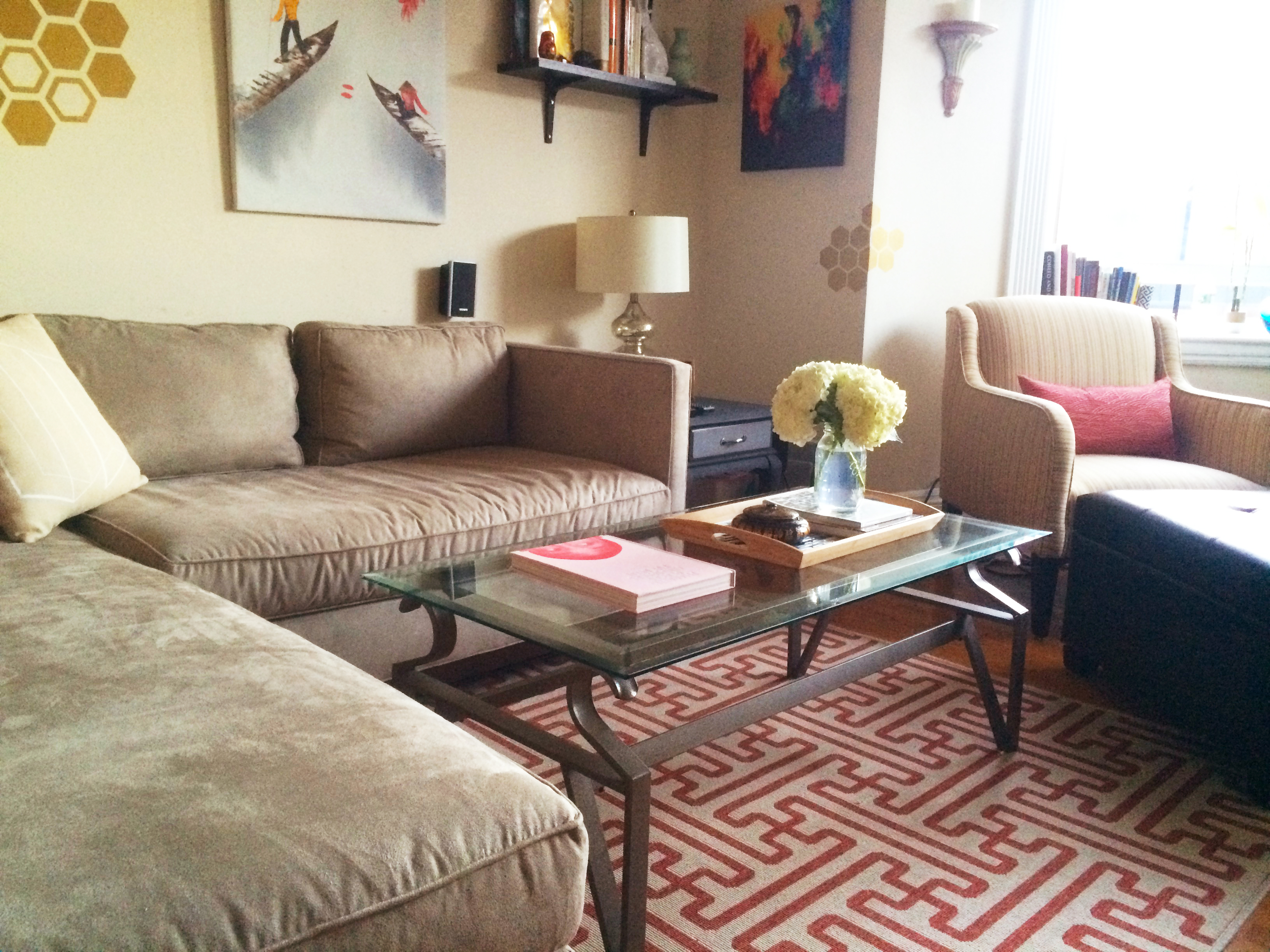
I’ve spent the past four months trying (with much assistance from Jared) to piece together our belongings in a way that felt true to both of us. I’ve essentially abandoned any attempts at achieving a specific design style in favor of something that feels more eclectic and more like a reflection of our tastes and our stories. We had another couple over for the first time in July after settling in a bit. Both guests remarked that our apartment felt so much like both of us and I’ve realized that this is the real mark of success in building a home. It’s still (and always?) a work in progress but I’m happy to say that we are cultivating an aesthetic of our own which has been infinitely more fun and rewarding than effectively mimicking mid-century modern, or Scandinavian minimalism or industrial loft-style or whatever. 🙂

Here are some images of our apartment.

Living Room
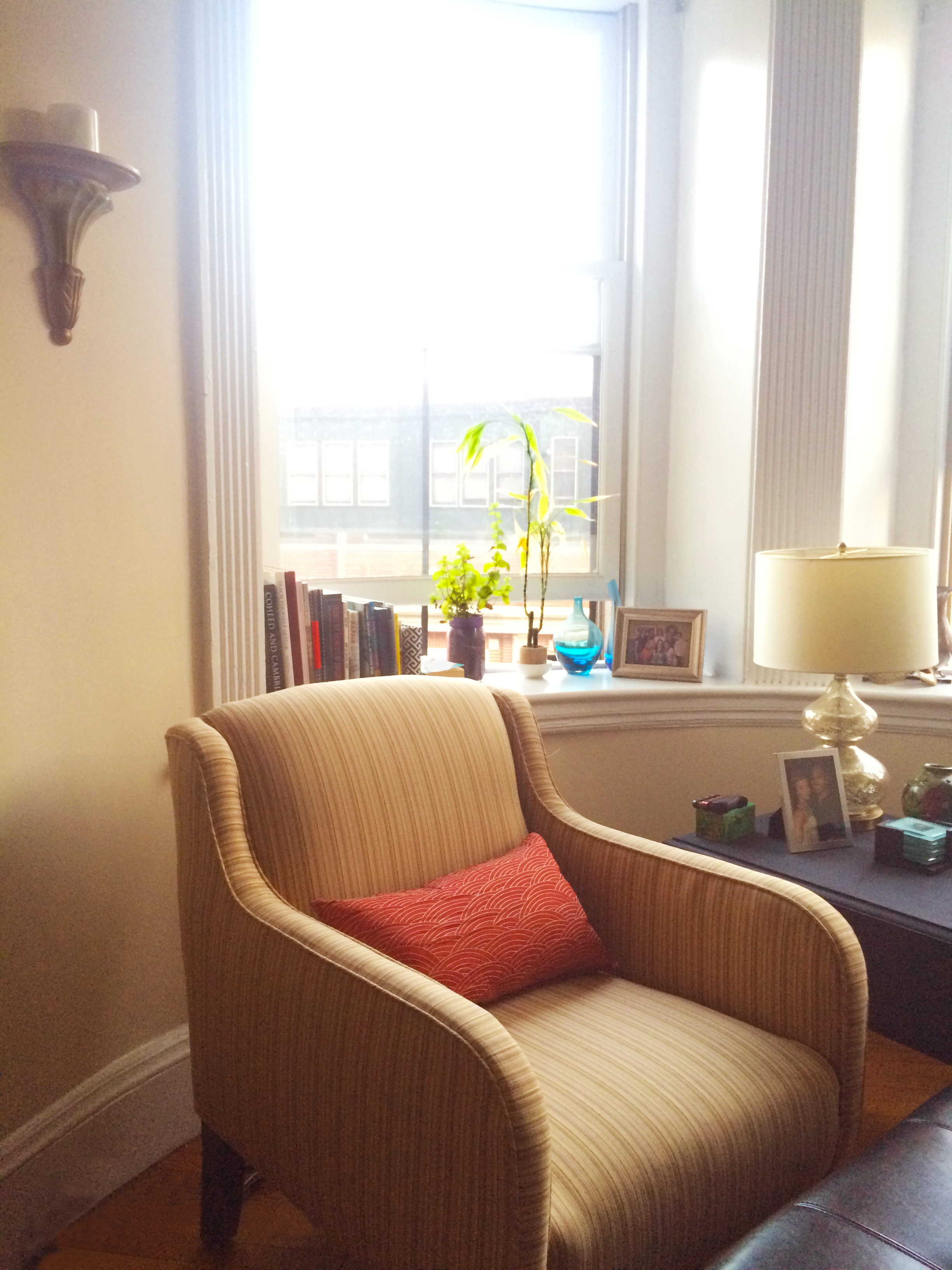
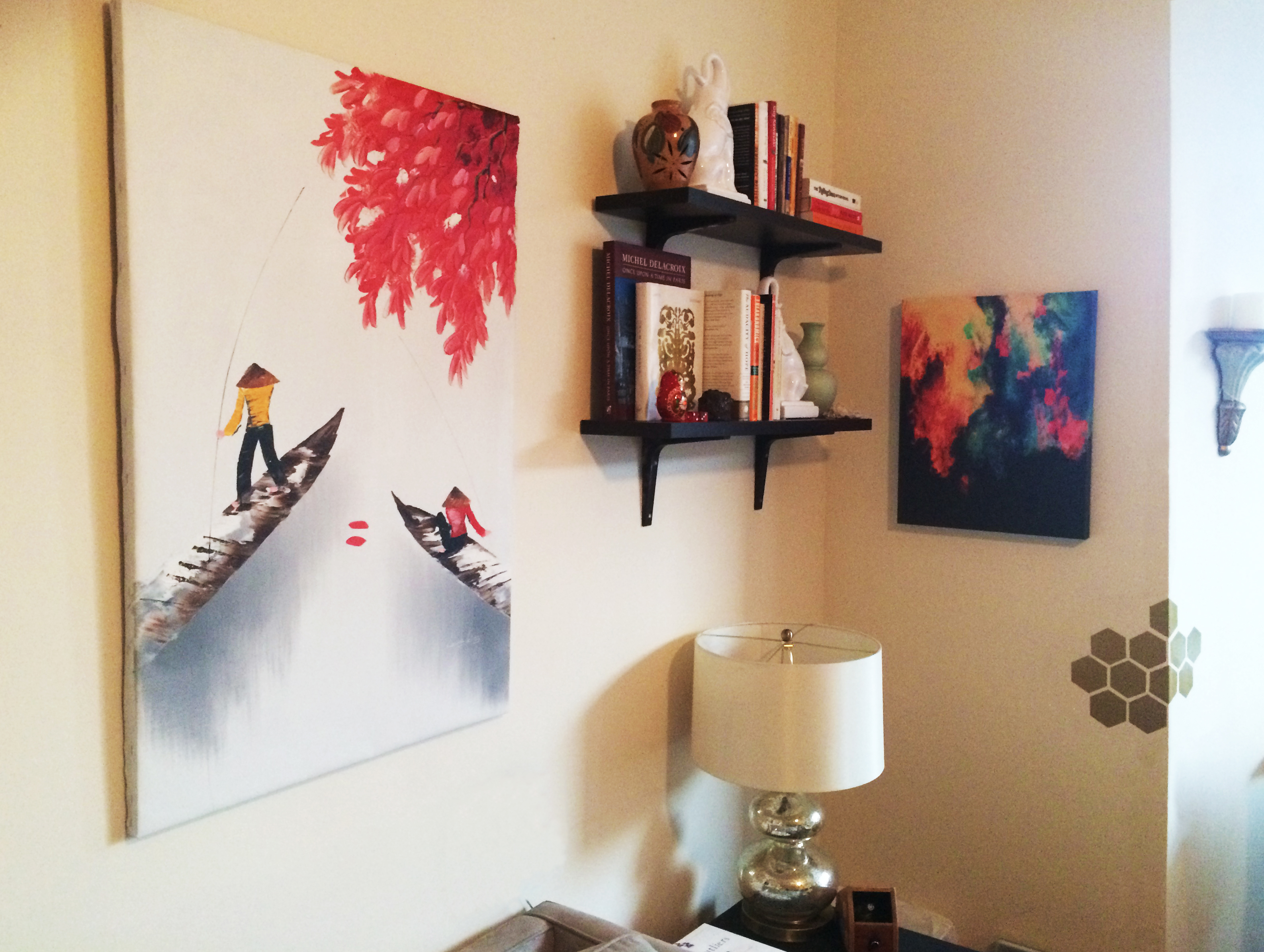
livingroom1chairlivingroom2 shelf

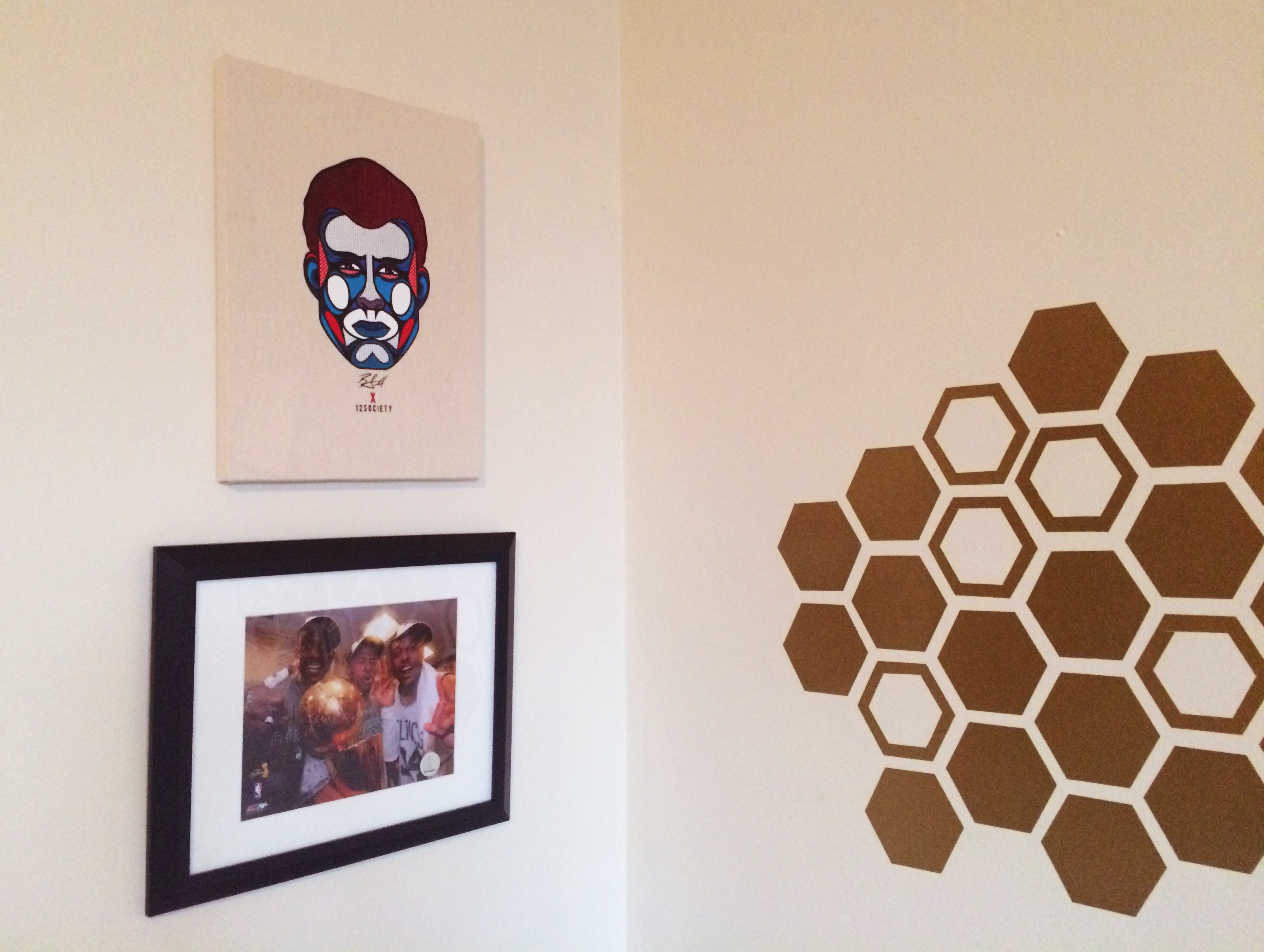
I don’t always decorate with sports memorabilia but when I do it’s to honor The Big 3
corner

Bar cart I DIY’d according to this tutorial.
bar

Kitchen table
kitchen

great island – wellfleet, ma.

“The crickets felt it was their duty to warn everybody that summertime cannot last for ever. Even on the most beautiful days in the whole year—the days when summer is changing into autumn—the crickets spread the rumor of sadness and change.”
– E.B. White, Charlotte’s Web

I could make an entire blog devoted to how much I love the outer cape. Throughout most of my childhood my family would rent a house for two weeks of the summer in Eastham or Wellfleet. Now my parents own their own home in Eastham and if I could, I would spend every moment of every summer there. I spent labor day weekend determined to soak up the last essence of summer while it’s still here. On Labor Day – the unofficial last day of summer, Jared and I went to Great Island in Wellfleet. Being an island, the beach is more secluded (and much less crowded) than other Cape beaches and involves a short hike to get there. The site was formerly a whaling hub, used by the Punonakanits, and later by Pilgrims for near-shore whaling. Great Island is now protected by the National Seashore, as is much of the coast in the mid to outer cape.

It was truly a perfect day and a bittersweet goodbye to a summer of wonderful adventures. Apologies for a couple slightly blurry photos. I am by no means a photographer but had to capture this day.

IMG_2732
stairs from the woods to the path along the marsh

IMG_2735
ultimate real estate fantasy

IMG_2736

IMG_2737

IMG_2741
this past winter’s storms pushed so much sand up onto the shore that this sign was almost completely covered

IMG_2744

beach

IMG_2748
I come across little driftwood structures like this one on cape cod beaches all the time. I have never actually witnessed anyone building one but even in the winter you’ll see these while walking the beach.

IMG_2750

IMG_2756

IMG_2763

“Summer afternoon—summer afternoon; to me those have always been the two most beautiful words in the English language.”
– Henry James

leaning artwork.

“If you love something, it will work. That’s the only real rule.” – Bunny Williams

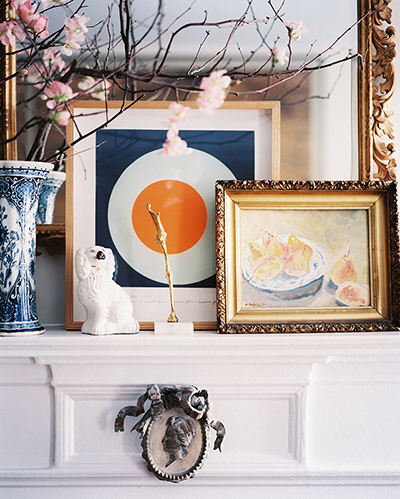
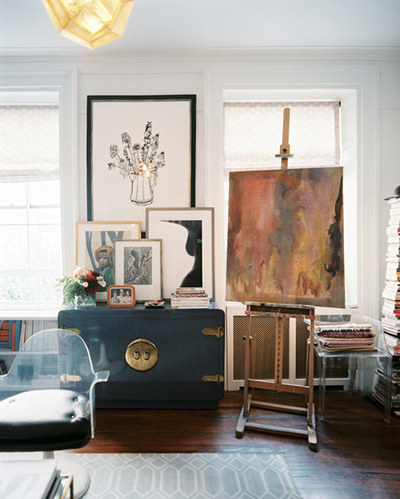
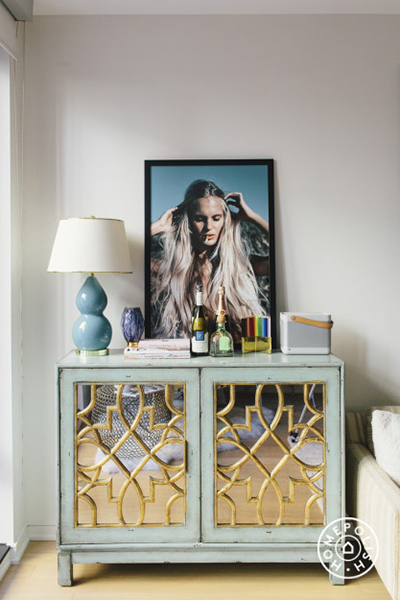
I really love the way leaning artwork can make any room feel a little bit like an artist’s loft. Especially with large pieces, I think leaning a piece of art can make a room feel more approachable while still having a polished feel. Here’s a collection of examples of leaning art – placed on floors, tables and shelves – from some of my favorite design sites.

4.lonny.com
lonny.com

2.one_kings_lane_
One Kings Lane

6.homepolish
Home Polish

5.mydomaine
mydomaine.com

14.lonny.com
lonny.com

12.homepolish
Home Polish

10.homepolish
Home Polish

1.lonny.com
lonny.com

13.arch-digest
Architectural Digest

8.homepolish
Home Polish

9.homepolish
Home Polish

3.onekingslane
One Kings Lane

melanie & jason weding invitations.

I recently had the privilege to design a wedding invitation for my good friends Melanie and Jason. Melanie was my freshman year roommate at Providence College and I’ve been fortunate to call her a friend ever since. In October of this year Melanie and Jason will marry at the Glen Cove Mansion in New York. The bride asked that the invitations reflect the elegance and historic nature of this Georgian-style estate that will be their venue.

Invitation suite

type pairings from around the web.

cover image

Like most graphic designers I have a special place in my heart for typography. Whether designing a website or a wedding invitation, one of the most time-consuming challenges for me can be finding two typefaces that really compliment one another. This article by designmodo offers some really well-excuted type pairings from around the web. I’m especially loving the Europa/Garamond pairing from exposure.co.

upcycling – an introduction to power tools.

“I believe that one can never leave home. I believe that one carries the shadows, the dreams, the fears and the dragons of home under one’s skin, at the extreme corners of one’s eyes and possibly in the gristle of the earlobe.”

― Maya Angelou, Letter to My Daughter

Two months ago I moved for the fourth time in four years. Since college I’ve lived in many apartments with many configurations of many roommates. This most recent move was significant because it is the first time I have ever lived with a boyfriend. As always, I was excited at the chance to define a new aesthetic in a new space and was intent on making sure our little apartment would embody that intangible quality of feeling, truly, like “home”. The overall experience of merging two lives into a one-bedroom apartment is something I will speak to in another post. For now I want to share another new experience this move has brought – my first venture into refinishing furniture!

My aunt lives in the home that used to belong to my grandparents. Behind her house there is a structure we all affectionately refer to as “the barn” which effectively stores all of the furniture discarded by anyone in my family for the past 40 years. Naturally, when preparing to move in with my boyfriend, I went “shopping” in the barn. I really wanted two end tables for our living room and was excited to stumble upon two of these Ethan Allen drop-leaf tables that had previously belonged to my parents and before that, to my grandparents.

image1

As you can see, they were not in great shape after years of neglect in a dusty storage space. I wanted to sand them down and repaint them in a more matte finish rather than the high-gloss stain they had worn in their first life. For reference, I found the same tables for sale and in better shape on ancientpoint.com:

image7

I had refinished another table about a month earlier and the original stain on that table had sanded off pretty easily so I wasn’t expecting the project to be especially difficult. It quickly became apparent that top sides of the tables had been sealed with a varnish. Varnish – it turns out – is basically impossible to sand down by hand. So we went to HomeDepot and bought an electric sander.

image5

The sander ended up being very easy to use and really helped on the legs and underside of the tables where there was no varnish to remove. On the varnish sides the sander certainly helped but it still took quite a while to get the stain off. In retrospect, I should have stripped the wood first and saved myself a lot of time sanding. Eventually though, I got the stain off (mostly).

image3

Around the edges of the tops of the tables there was ridged area that was too small for the electric sander. I tried for quite a while to sand it down by hand but couldn’t get through the varnish and stain. I had heard that chalk paint would cover any old stain and would give me the matte finish I was looking for. I went on Amzon and bought two jars of Americana Chalky Finish Paint in Carbon finish. The chalk paint is so opaque it only required one coat to completely cover the tables and hide any remaining stain.

I wanted give the tables a little more visual interest so I opted to paint the drawers in a dark grey wood stain. Since the rest of the tables would be matte, I didn’t want to the drawers looking too transparent. It took about 3 coats of stain to reach the desired effect since the stain is meant to let the natural wood show through. I really liked this weathered grey stain I got at Home Depot and will definitely be using it again in a future project.

image6

Finally, I changed out the hardware with something less brassy to better fit the new look and ultimately they look like this:

image4

For a novice upcycler, I think the finished product looks pretty good.